Why Make This Recipe
Zero waste cooking helps us save food and cut grocery costs. It is an easy way to make the most of our ingredients and reduce waste. This recipe encourages using every part of the ingredient, saving money while being kind to the planet.
How to Make Zero Waste Cooking Recipe
Ingredients:
- Vegetable scraps (like carrot peels, onion skins, and broccoli stems)
- Stale bread
- Leftover grains (like rice or quinoa)
- Any leftover vegetables
- Herbs and spices (optional)
- Water or stock
Directions:
- Gather all your vegetable scraps and any leftover vegetables you have in your fridge.
- Place the scraps in a large pot. If you have stale bread, tear it into pieces and add that too.
- Pour enough water or stock into the pot to cover the ingredients.
- Bring the pot to a boil over medium heat.
- Reduce the heat and let it simmer for at least 30 minutes, stirring occasionally.
- If you like, add herbs and spices for extra flavor.
- Strain the mixture into a bowl, discarding the solids. You now have a flavorful stock or broth!
How to Serve Zero Waste Cooking Recipe
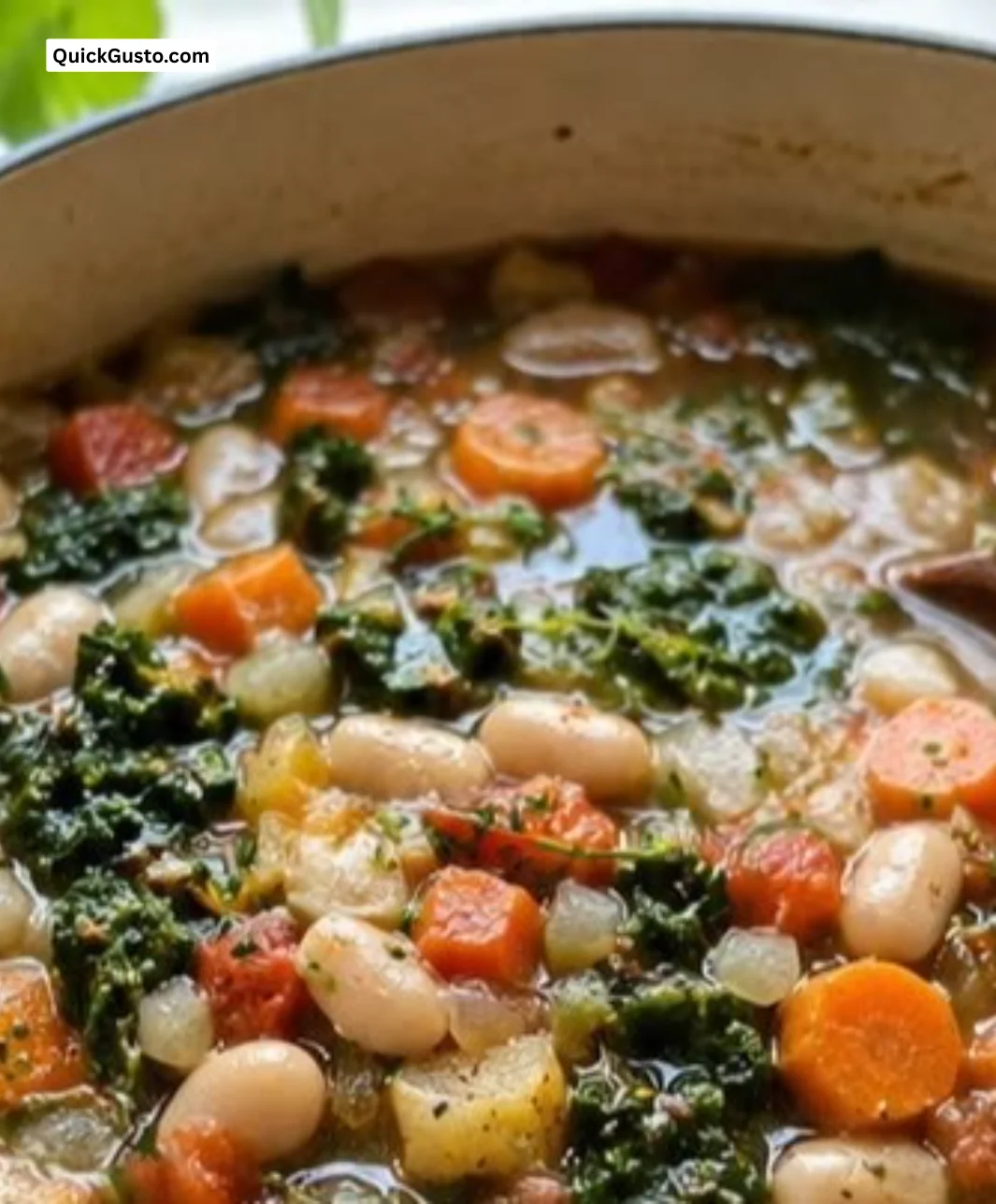
You can serve this stock as a base for soups, stews, or risottos. Add fresh vegetables, proteins, or even noodles to make a complete meal. It is versatile and can be used in many dishes!
How to Store Zero Waste Cooking Recipe
Let the stock cool completely before transferring it to containers. Store it in the fridge for up to one week. For longer storage, pour it into freezer-safe bags or containers and freeze for later use.
Tips to Make Zero Waste Cooking Recipe
- Use what you already have at home to avoid buying new ingredients.
- Try to blend different vegetable scraps for unique flavors.
- Always keep a container in your fridge to collect veggie scraps to use later.
Variation
Feel free to use any type of leftover meat bones or shells if you want a meat-based broth. You can also experiment with different herbs like thyme or dill for added flavor.
FAQs
1. Can I use spoiled vegetables?
No, avoid using spoiled vegetables. Only use scraps or leftovers that are still safe to eat.
2. How do I know when the stock is ready?
The stock is ready when it has a strong flavor and the vegetables have softened.
3. Can I freeze the stock?
Yes, you can freeze the stock! Just make sure it cools completely before you freeze it to preserve the quality.
Zero Waste Cooking Recipe
- Total Time: 45 minutes
- Yield: 4 servings
- Diet: Vegetarian
Description
A sustainable recipe that utilizes vegetable scraps and leftover ingredients to create a flavorful stock, minimizing waste and saving money.
Ingredients
- Vegetable scraps (like carrot peels, onion skins, and broccoli stems)
- Stale bread
- Leftover grains (like rice or quinoa)
- Any leftover vegetables
- Herbs and spices (optional)
- Water or stock
Instructions
- Gather all your vegetable scraps and any leftover vegetables you have in your fridge.
- Place the scraps in a large pot. If you have stale bread, tear it into pieces and add that too.
- Pour enough water or stock into the pot to cover the ingredients.
- Bring the pot to a boil over medium heat.
- Reduce the heat and let it simmer for at least 30 minutes, stirring occasionally.
- If you like, add herbs and spices for extra flavor.
- Strain the mixture into a bowl, discarding the solids. You now have a flavorful stock or broth!
Notes
Store the cooled stock in the fridge for up to one week or freeze for longer storage. Use leftover meat bones for a richer flavor.
- Prep Time: 15 minutes
- Cook Time: 30 minutes
- Category: Soup
- Method: Simmering
- Cuisine: Various
Nutrition
- Serving Size: 1 serving
- Calories: 50
- Sugar: 1g
- Sodium: 200mg
- Fat: 0g
- Saturated Fat: 0g
- Unsaturated Fat: 0g
- Trans Fat: 0g
- Carbohydrates: 10g
- Fiber: 2g
- Protein: 2g
- Cholesterol: 0mg